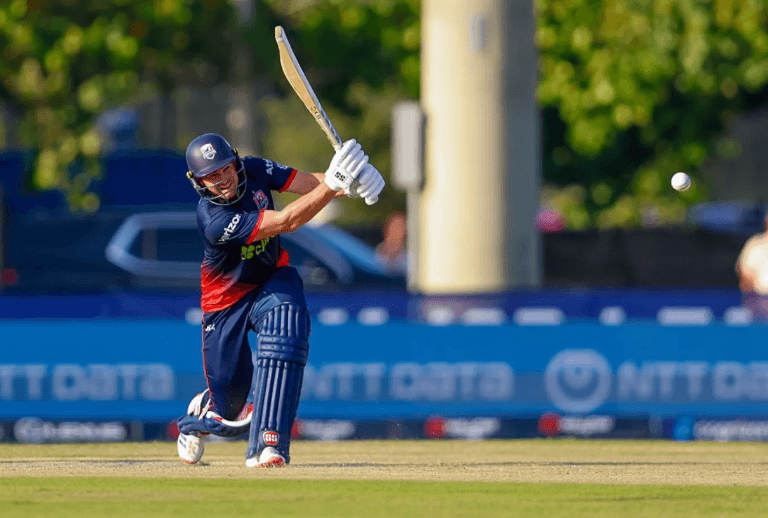
Cricket has become a sport people follow in pieces. A fan may catch the toss on television, miss the first few overs, check the score on a phone, return for a wicket, then follow the final stretch through a live page while messages keep coming in from friends. The match still happens on the field, but the story around it now moves through screens, alerts, short updates, and quick checks.
That shift has changed what fans expect from live cricket coverage. They want the match to feel close even when they cannot watch every ball.
A live match is now part of the news cycle
A cricket game no longer waits for the final score to become a story. The story begins while the match is still moving. A batting collapse, a surprising bowling change, a rain delay, a chase that suddenly tightens, or a dropped catch can start the conversation long before the result is known.
For fans following South Asian cricket, desi cricket match odds live can sit beside score updates and short match reports as part of that same live reading habit. The point is not to turn every ball into a prediction. It is important to understand how the match is being read while pressure is still building.
That makes live cricket coverage closer to digital journalism than many people realize. The page has to show what changed, why it matters, and what the fan should notice next.
The scoreboard is only the first layer
A scorecard gives the basic picture: runs, wickets, overs, batters, and bowlers. But cricket rarely lives inside the basic picture alone. A chase can look comfortable until the main finisher is out. A bowling side can look under pressure until the ball starts gripping. A batting team can seem in control while the required rate quietly moves into dangerous territory.
This is why live context matters. Fans want to know whether a quiet over was harmless or whether it changed the rhythm. They want to know if a captain is saving a strike bowler for the end, if dew is making fielding harder, or if the pitch has slowed enough to change the value of every single ball.
What good live cricket coverage should explain
The best live pages do not overwhelm the fan with scattered numbers. They help the fan rebuild the match quickly.
- What changed during the last few overs?
- Which batter is controlling the innings.
- Whether the required rate is rising slowly or suddenly.
- Which bowlers still have overs left.
- How recent wickets or boundaries changed pressure.
Live odds need the match around them
Odds without cricket context can feel empty. A number changes, but the fan still needs to understand the reason behind it. Did the batting side lose a set player? Did the bowling team waste a review? Did one expensive over change the chase, or was it only a short burst before the stronger bowlers returned?
A good live page keeps those questions close to the match. It lets fans read movement without forgetting the sport behind the screen.
The best live coverage keeps cricket bigger than the screen
Digital coverage can make cricket easier to follow, especially for fans who cannot watch every ball. It can explain a shift in pressure, show how the chase is moving, and help someone return to the match after missing a few overs. But the screen should still serve the game, not take over it.
The strongest live cricket experience is the one that feels clear, calm, and useful. It gives the fan enough information to understand the match, then leaves room for the next delivery to matter. Cricket is still at its best when it surprises everyone, and live coverage should help fans enjoy that uncertainty rather than flatten it into numbers alone.