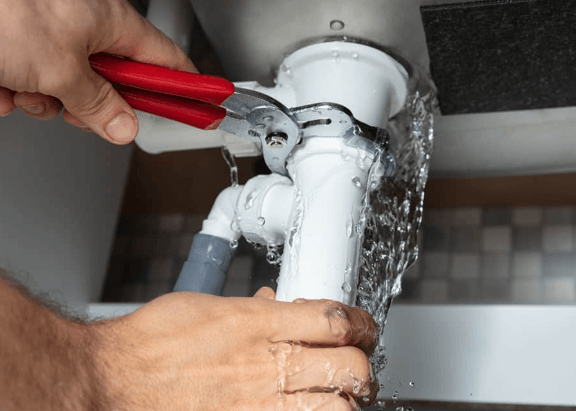
In a plumbing emergency, quick, organized action limits damage and protects health. Start with safety shutdowns, locate the main valve, and secure access to affected areas. Contain leaks with rapid shutoffs and minimal tools to avoid pressure spikes. Conduct a rapid damage assessment, isolate utilities if safe, and document findings for responders and insurers. Complex repairs require professional expertise; temporary measures may suffice, with prevention through regular maintenance guiding future readiness. The situation demands clear priorities and disciplined execution, leaving readers ready to act but awaiting the next steps.
What Constitutes a Plumbing Emergency and What to Do First
Plumbing emergencies are events requiring immediate action to prevent damage, health risks, or loss of essential services. What constitutes a plumbing emergency centers on rapid threat to structure, health, or supply integrity. Plumbing emergency Basics define critical thresholds and responders.
What to do first involves safety shutdowns, location of mains, and securing access; rapid assessment precedes professional escalation to minimize impact and restore function.
Stop the Leak Safely: Quick Fixes and When Not to DIY
Quick, controlled actions can limit damage when a leak appears, but the response must prioritize safety and accuracy. The guidance emphasizes leak containment, immediate isolation, and minimal material use for rapid pressure reduction.
Key steps include applying appropriate shutoff valves, using personal safety precautions, and avoiding risky DIY repairs beyond basic temporary measures. When uncertain, seek professional assessment and adhere to safety precautions.
Assess Damage and Prioritize Actions Until Help Arrives
In the moments after a plumbing incident, assessment focuses on scope, safety, and prioritization of interventions to minimize damage until help arrives.
The evaluator conducts a rapid water damage assessment, identifies critical leaks, and isolates utilities if safe.
Actions emphasize emergency response sequencing, containment, and documentation for insurance and responders, preserving evidence and preventing further escalation.
Essential Tools, Prevention Tips, and Deciding When to Call a Pro
Essential tools, preventive measures, and decisions about when to involve a professional are critical to effective emergency response. The discussion defines what constitutes a plumbing emergency and what to do first, emphasizes stop the leak safely: quick fixes and when not to diy, and highlights assess damage and prioritize actions until help arrives. Prevention tips guide proactive maintenance, reducing callouts and promoting freedom through informed choices.
See also: Social Media Technology Evolution
Conclusion
In a crisis, water can be both threat and signal: threat to structure, signal of system health. Salvation arrives as measured steps—shutoffs, containment, rapid assessment—yet improvisation without expertise risks greater damage. Precise actions save money and time; imprecise DIY can extend trouble. The emergency ends when alarms subside and professional repair begins. Prevention remains constant, like a quiet defense; documentation and maintenance convert tense moments into predictable routines. Between urgency and clarity, competence bridges the gap.